European Circus Heritage Atlas

THE CIRCUS HAS A HISTORY. THE STAGE KEEPS MOVING.

250 years of documented performance architecture. Touring routes span multiple borders. The physical discipline requires daily rehearsal. Contemporary formats continue to evolve across Europe.

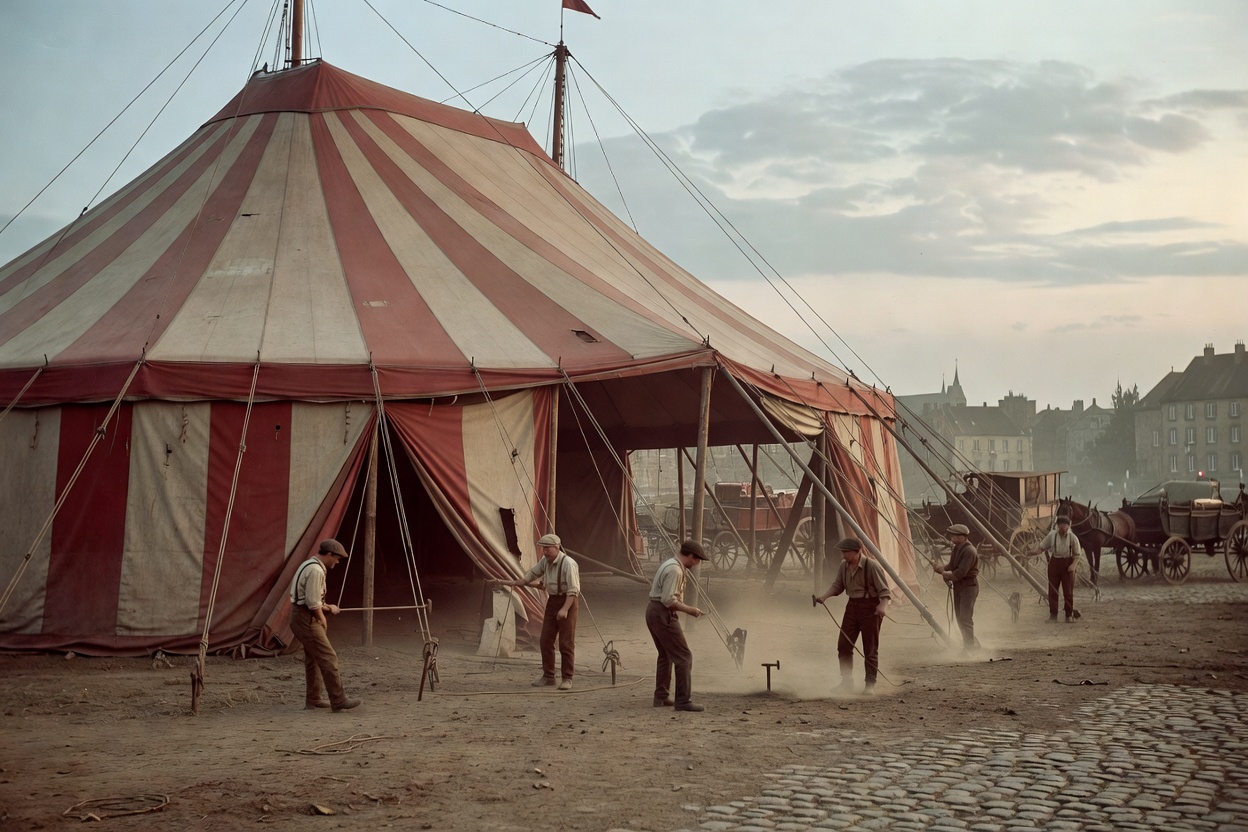
Archival view of a historic European circus tent exterior during setup phase

FROM ROUTE TO RING

01

TRAVEL

Wagons negotiate regional borders. Specialized rail transport handles heavy rigging equipment.

02

ARRIVE

Ground conditions dictate layout. Advanced teams secure municipal permits and utilities.

03

SET UP

13-meter rings require precise geometric placement. Canvas tensioning demands coordinated labor.

04

REHEARSE

Acrobatic apparatus testing occurs daily. Performers adjust routines to site-specific environmental factors.

05

PERFORM

Audience seating surrounds the focal point. Live acoustics shape the physical delivery.

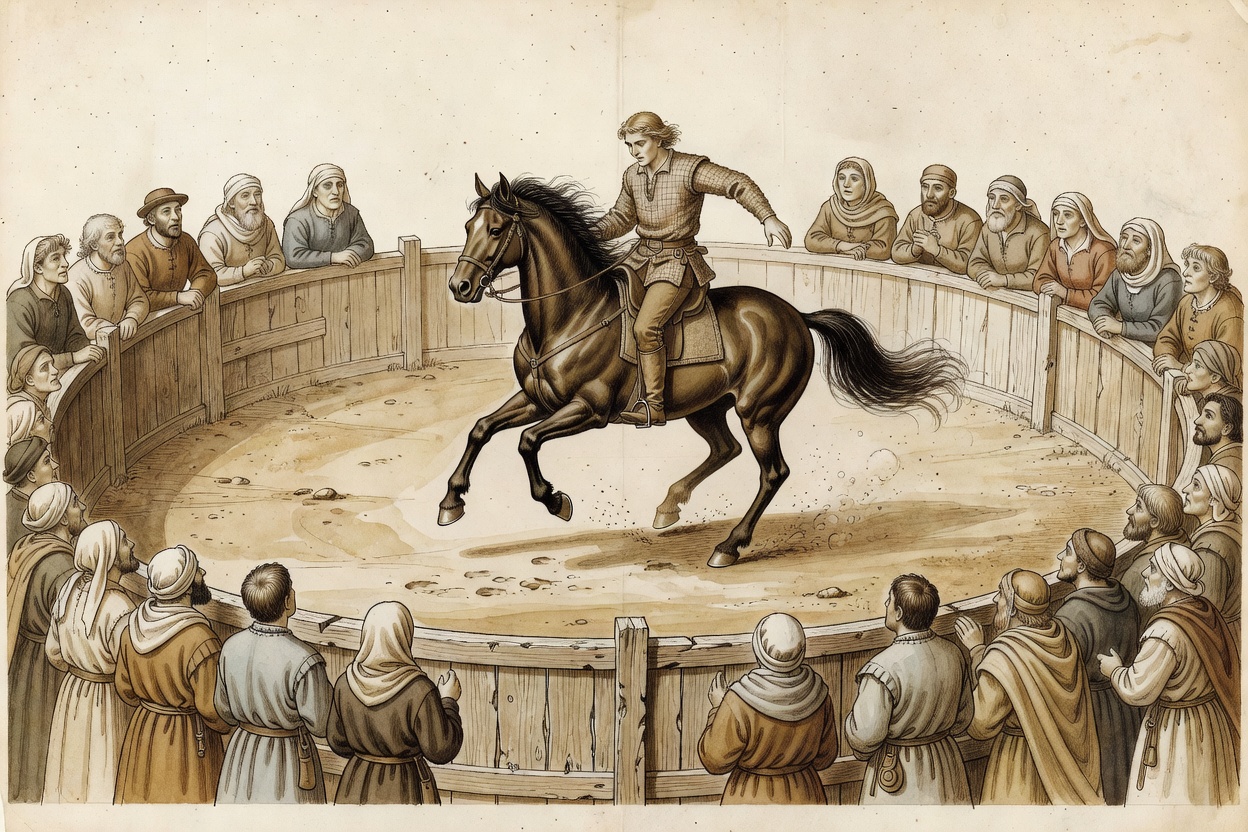
Historic sketch depicting early equestrian performance in a 13-meter ring
01 / Archives

Circus History in Europe

Equestrian displays established the format in the 18th century. Travelling troupes standardized the 13-meter ring. Urbanization drove the creation of permanent performance buildings. Performance practices shifted through economic and political changes.

Read History Document →
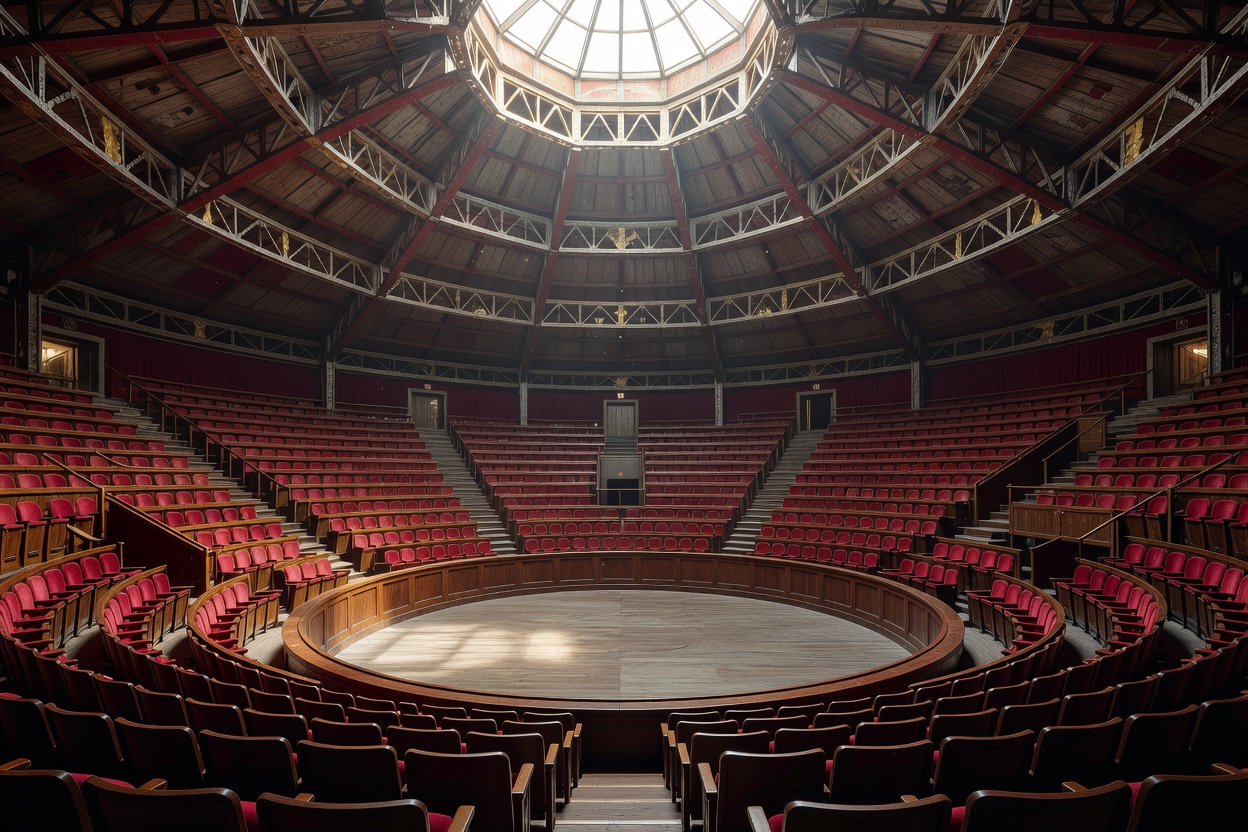
Interior view of a permanent circus building showing tiered seating and roof structure
02 / Infrastructure

Historic Circus Architecture

Permanent buildings anchored major European capitals. Temporary timber structures bridged the gap before canvas tents dominated the landscape. Architectural acoustics and sightlines dictate performance viability.

Examine Architecture →
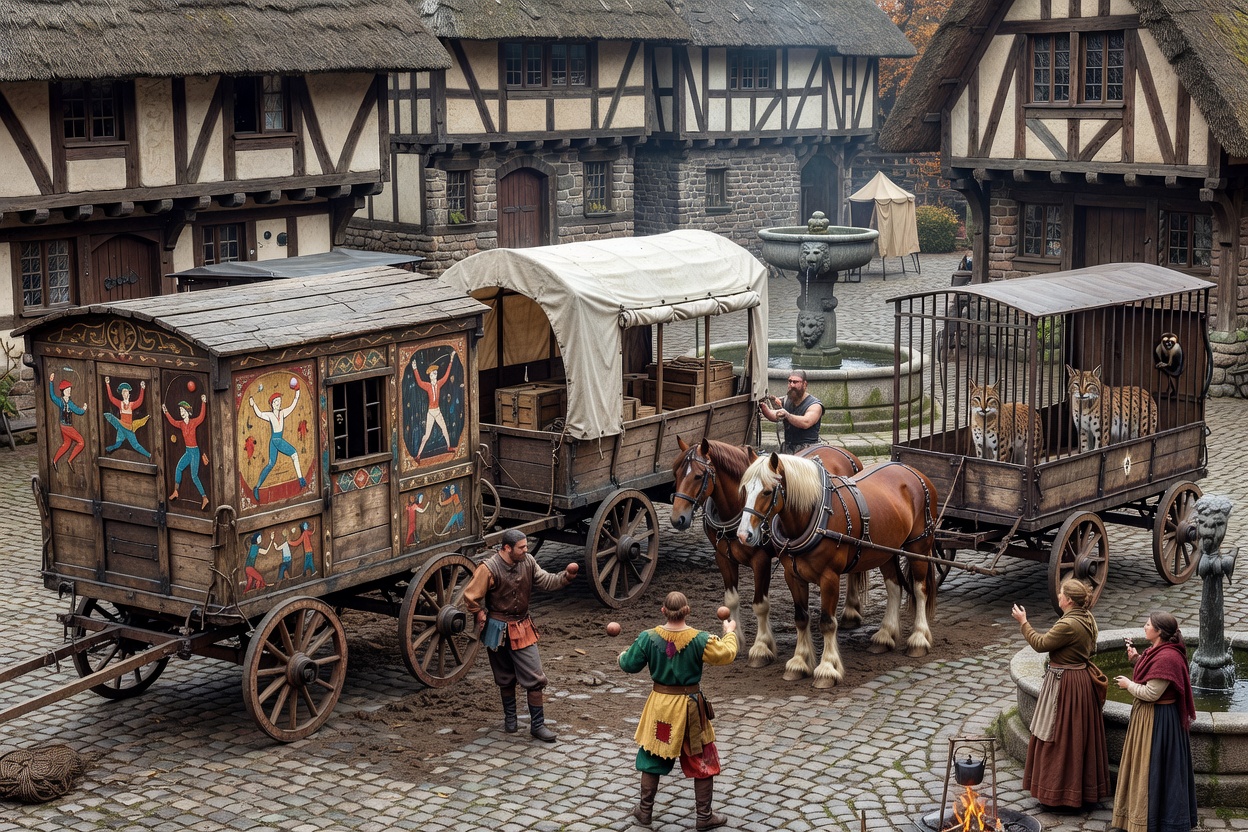
Circus wagons parked in a European town square during a seasonal tour
03 / Logistics

European Touring Traditions

Seasonal weather patterns defined historical tour routes. Logistics dictate equipment movement via road and rail. Companies build localized audience relationships through repeated regional circuits.

Review Touring Routes →
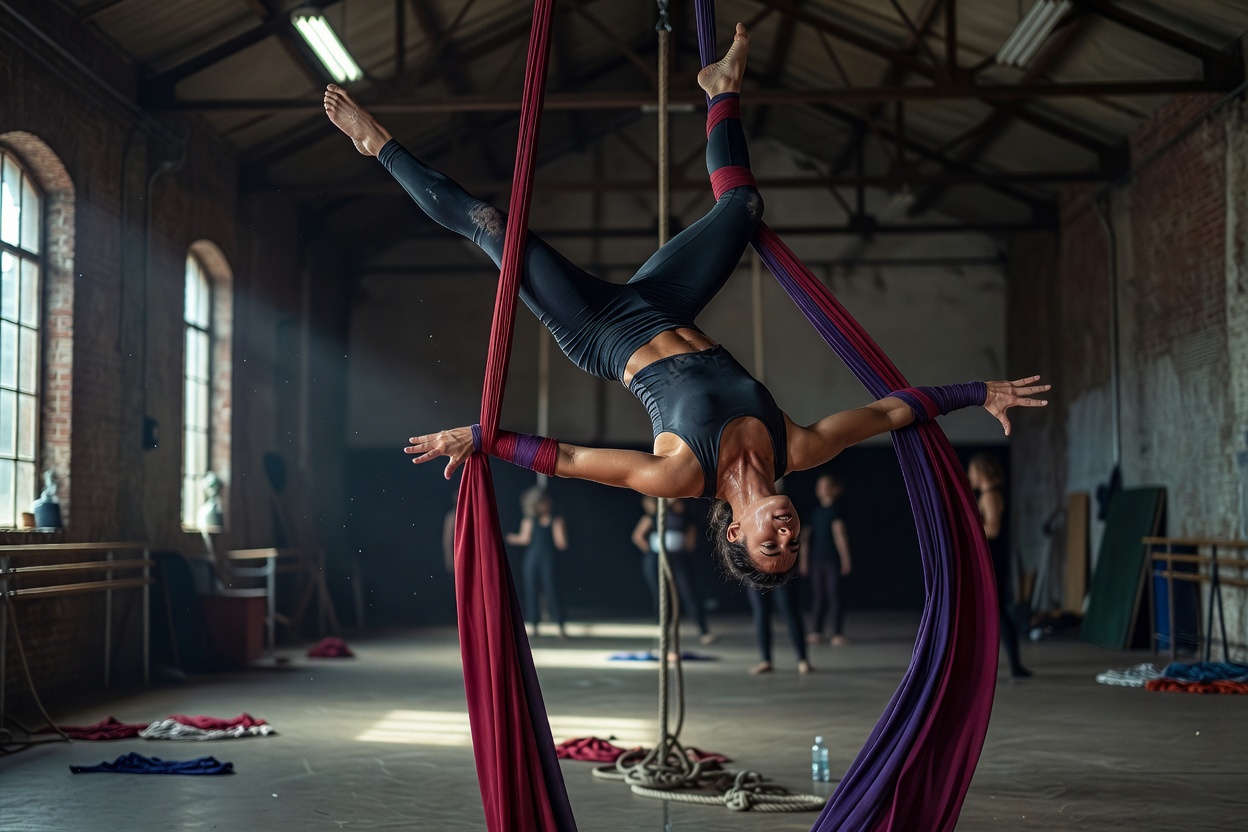
Acrobat suspended on aerial silks during a rigorous rehearsal session
04 / Discipline

Circus Performance & Training

Physical disciplines require specialized coaching. Apparatus rigging demands strict safety protocols. Choreography integrates acrobatics, balance, and object manipulation into cohesive stage presentations.

Analyze Performance →
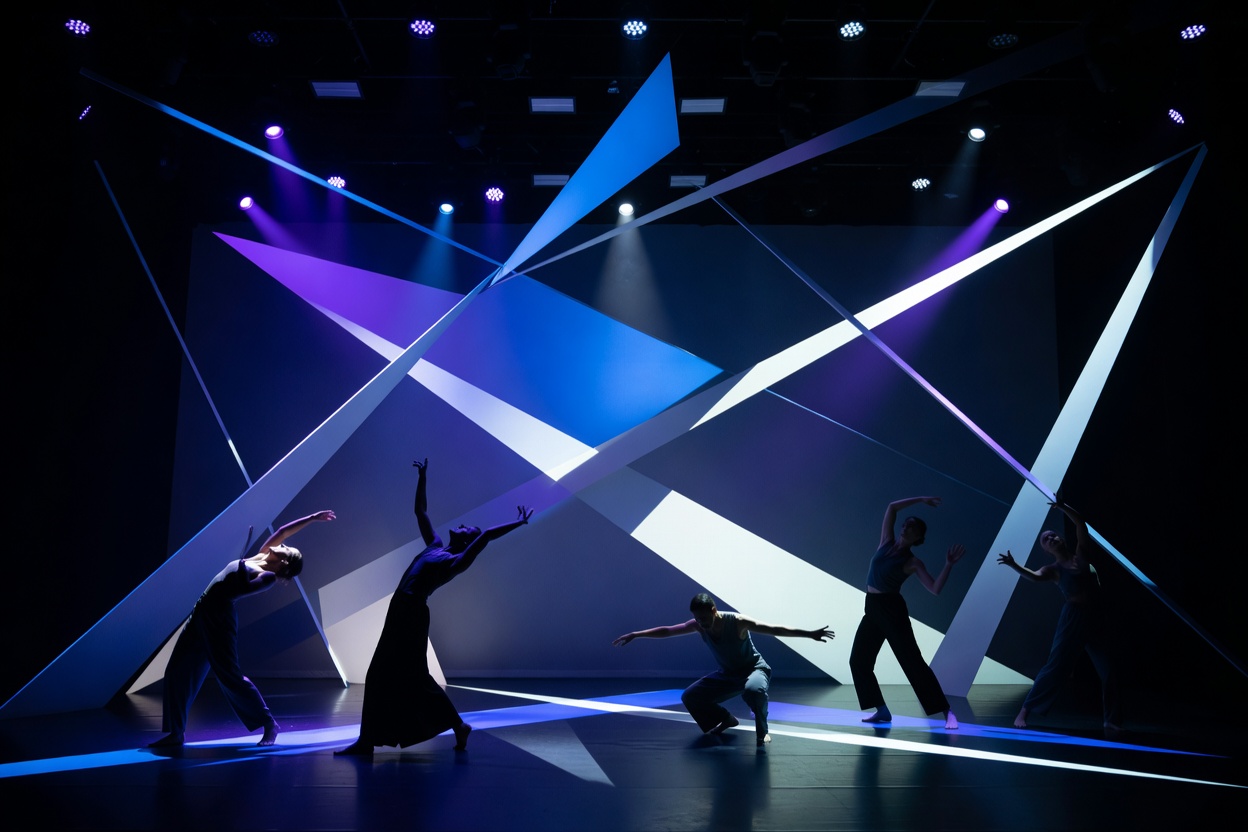
Modern stage setup with abstract geometric lighting for a contemporary physical theatre piece
05 / Evolution

Contemporary Circus Arts

Nouveau cirque emerged as a multidisciplinary format. Theatrical narrative structures frame physical skill. Experimental staging utilizes non-traditional spaces and challenges conventional audience relationships.

Study Contemporary Arts →